Tea the hills would recognize.
The honest story of where your cup comes from — the gardens, the people, and the stubborn small-batch way we refuse to outgrow.
Three generations on the same slopes.
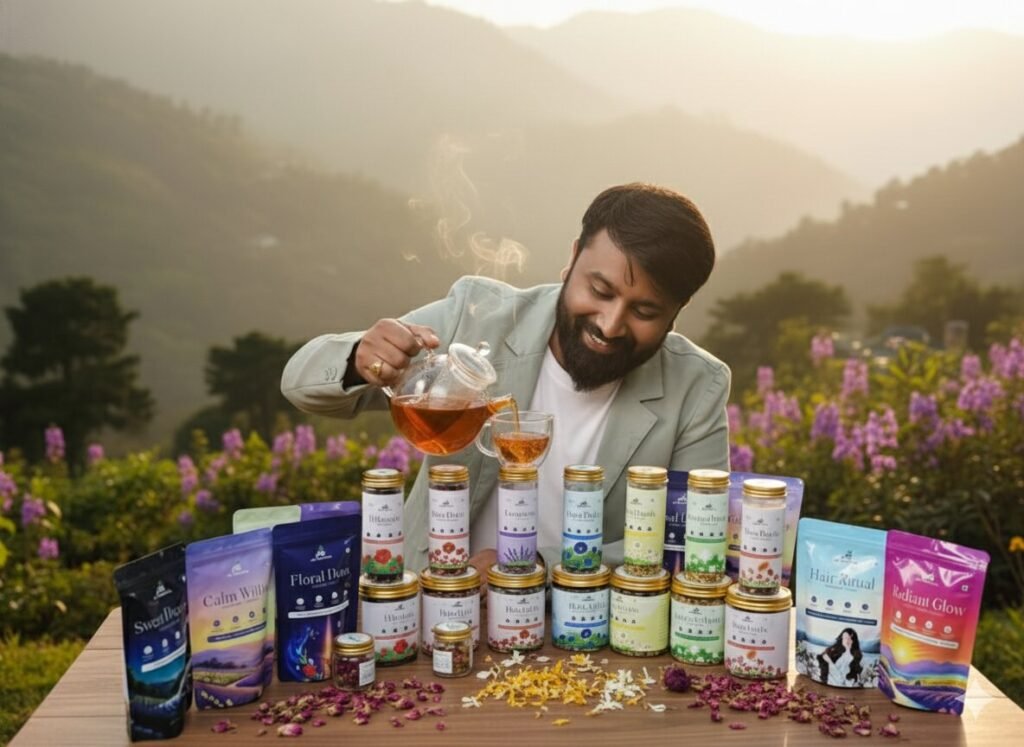
Hill Queen Tea didn’t start as a brand. It started in 1962, in the tea gardens of Darjeeling, where our family has grown, plucked and blended for three generations. Arun Chachan — who runs Hill Queen today — was raised between those rows, learning the craft the way it’s actually passed down: by scent, by season, by hand.
That single rule still decides everything. Whole flowers and real leaf, never dust. Small seasonal lots, packed the same season they’re picked, in an FSSAI-licensed facility. No flavouring oils, no additives, no sugar — if you can’t smell the real flower when you open the pouch, the blend doesn’t ship.
Six decades on, the promise hasn’t moved an inch: heritage Darjeeling blacks for your mornings, flowers and herbs for your evenings — and a family name on every pack that still means what it did in 1962.
From slope to sip
Farmers we know by name
every pack starts with one of these hands
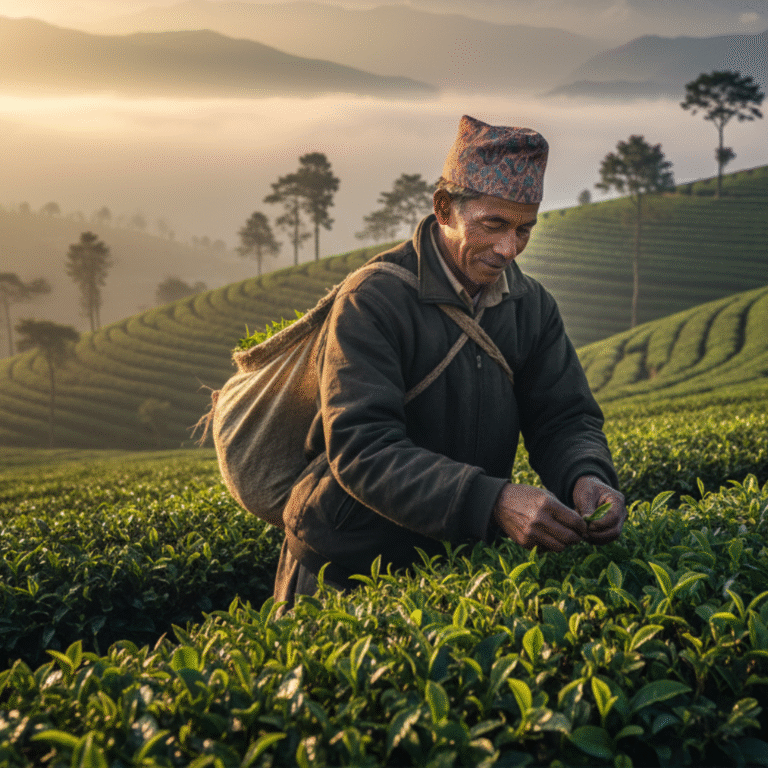
First-flush plucker at 5,000 ft — the leaves our black teas start as.
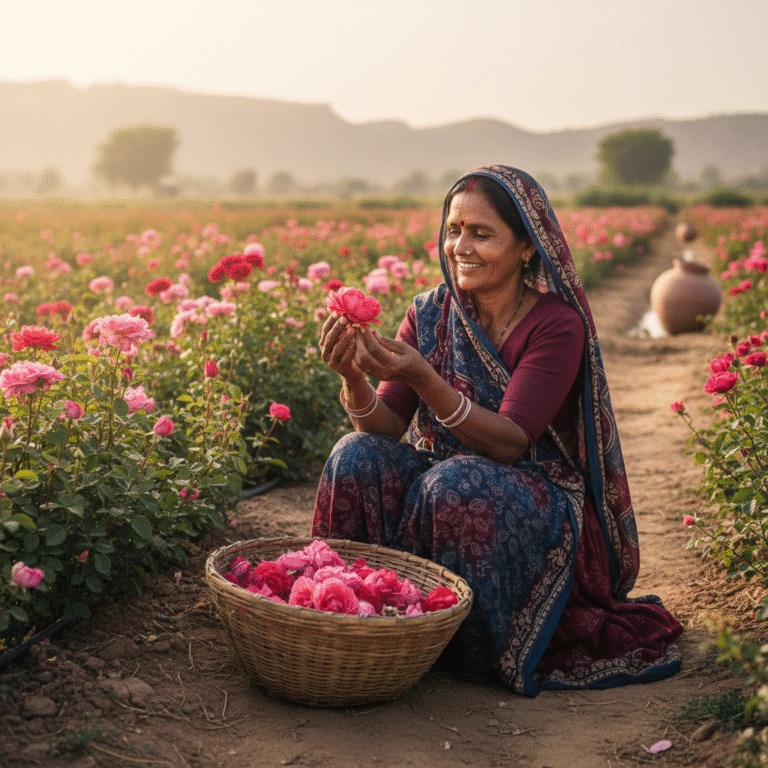
Grows our rose buds the way her family always has — for fragrance first.
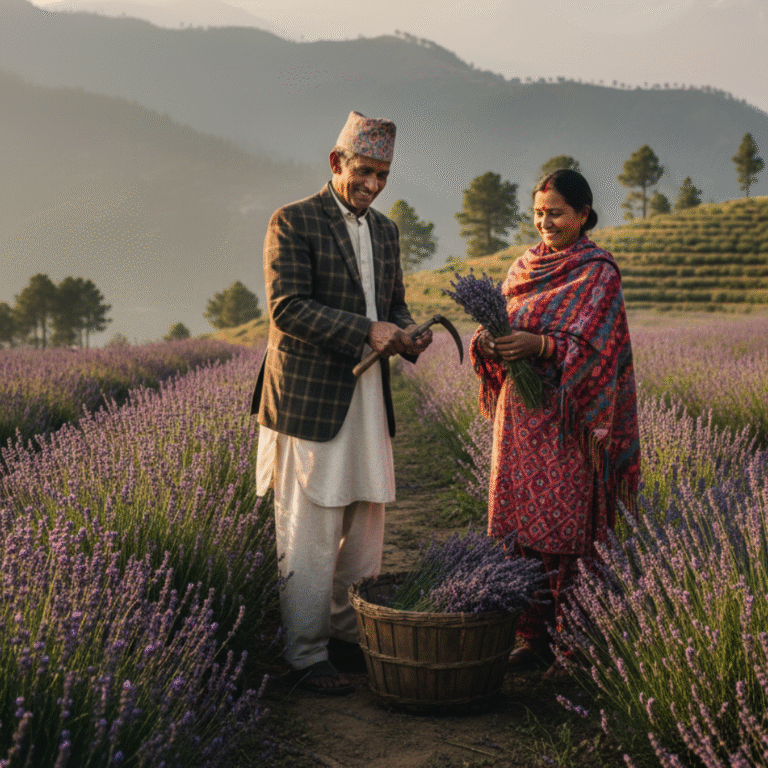
Cultivate high-linalool lavender on sustainable plots.
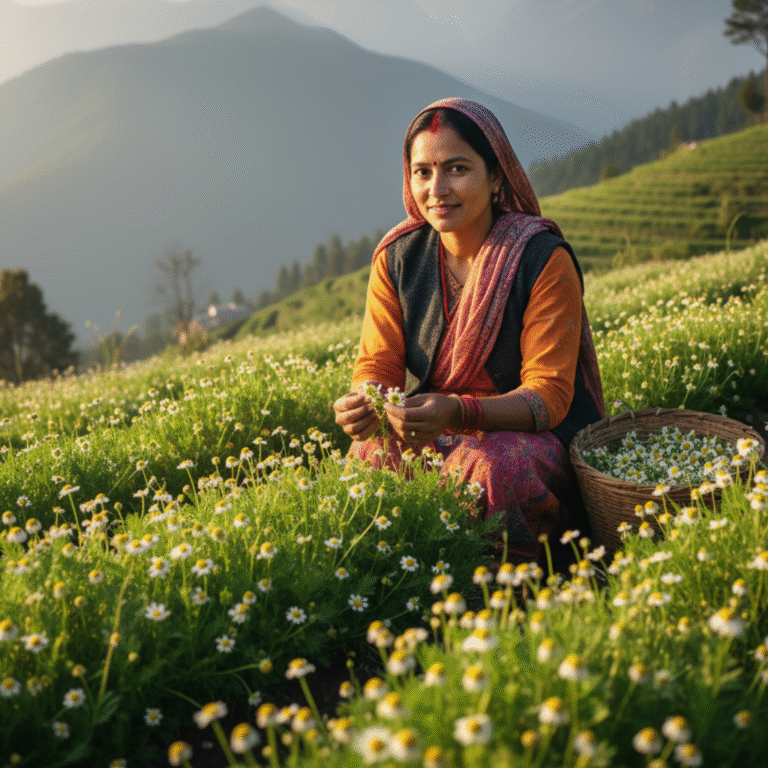
Grows chamomile organically at altitude, free of pesticides.
What we refuse to do
"Nature identical" chamomile flavour is neither. If you can't smell the real flower, we failed.
Open any pouch — whole flowers and leaves you can name. Dust is what's left when quality leaves.
Tea supports rituals; rituals change nights. We'll tell you what a blend does — and what it honestly doesn't.
Taste the story
the blends born on these slopes
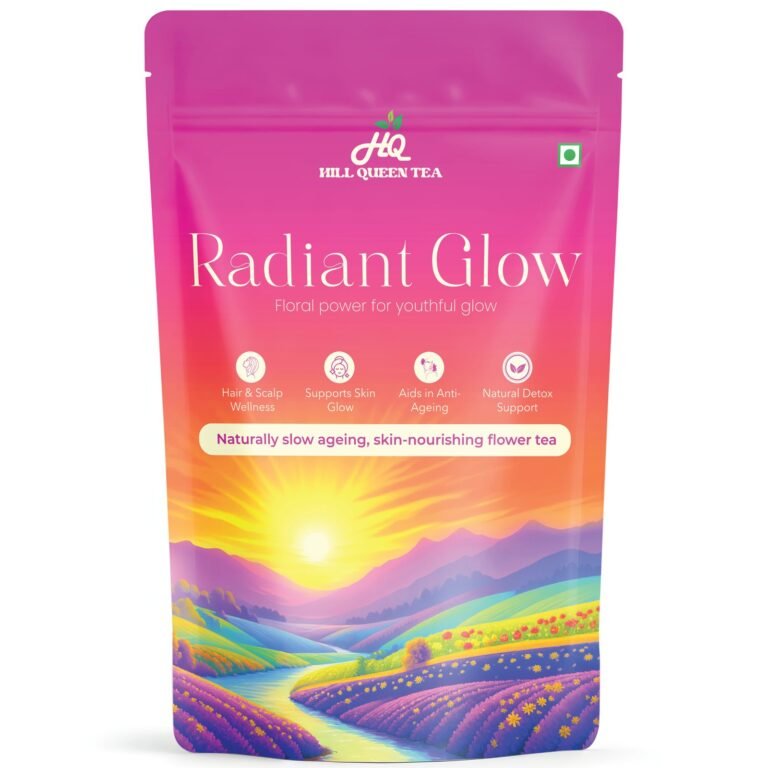


Taste what the hills taste like.
Start with the blend our drinkers reorder most — or build a ritual of your own.
Shop the teas →